Introduction
- Reproduction is the most essential for the continuation of a species.
- Reproduction ensures the continuation of similar kinds of species, generation after generation.
Modes of Reproduction
- Following are the two modes of reproduction −
- Sexual reproduction
- Asexual reproduction
- Let us discuss each one separately −
Sexual Reproduction
- In animals, males and females have different reproductive organs.
- The reproductive parts in animals produce gametes that fuse and form a zygote.
- The zygote develops into a new similar species.
- The type of reproduction through the fusion of male and female gametes is known as sexual reproduction.
- The male gametes, produced by testes, are known as sperms.
- The female gametes, produced by ovary, are known as ova (or eggs).
- In the process of reproduction, the first step is the fusion of a sperm and an ovum (egg).
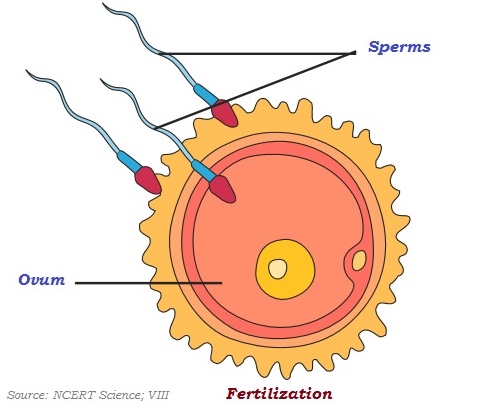
- Fusion of the egg and the sperm is known as fertilization (as shown in the above image).
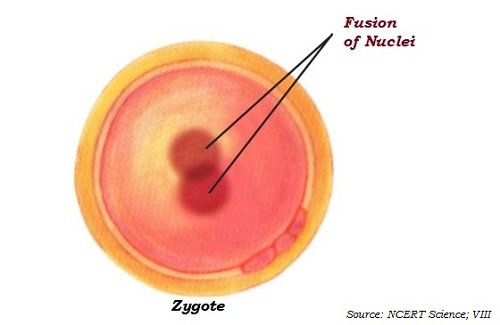
- During the fertilization, the nuclei of the sperm and the egg fuse together and form a single nucleus that result into the formation of a fertilized egg also known as zygote (shown in the image given below).
- The zygote further divides repeatedly to give rise to a ball of cells that begin to form groups. The groups develop into different tissues and organs constituting a full body. In the process, the developing structure is known as an embryo (shown in the image given below).
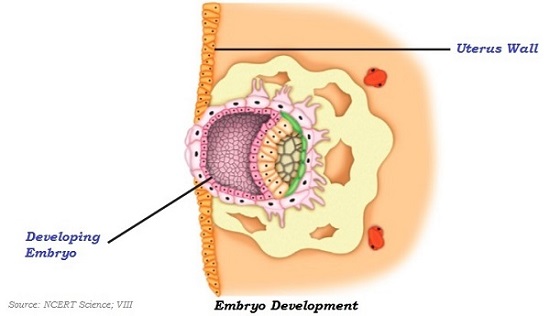
- The embryo continues to develop in the uterus and develops body parts such as head, face, ear, eyes, nose, hands, legs, toes, etc.
- The stage of the embryo in which different parts of the body develop and can be identified is known as foetus (shown in the image given below).
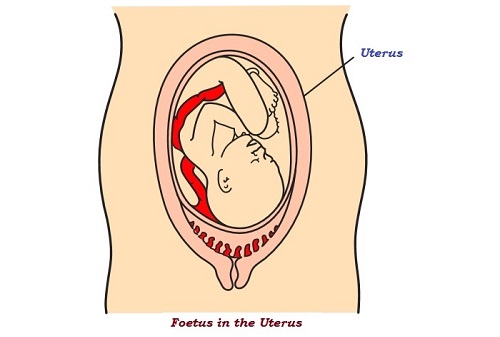
- In a defined period of time, when the development of the foetus is complete, the mother gives birth to the baby.
- The animal which gives birth to young ones is known as viviparous animal. E.g. Human, cow, dogs, etc.
- The organism that lays eggs is known as oviparous animal. E.g. all birds (except bats), lizard, etc.
Asexual Reproduction
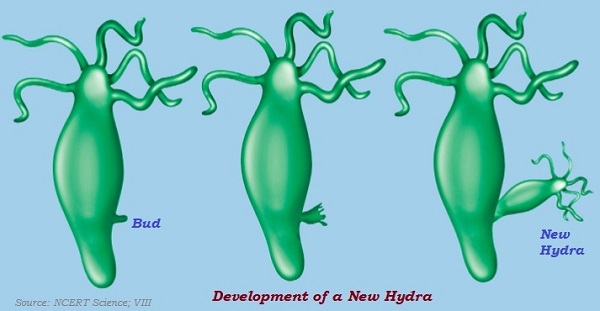
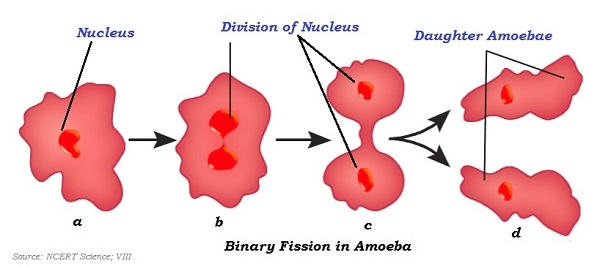
- The type of reproduction in which only a single parent, gets divided into two new offspring, is known as asexual reproduction. E.g. Hydra and Amoeba.
- In hydra, the individuals develop from the buds; therefore, this type of asexual reproduction is known as budding (shown in the image given below).
- In amoeba, nucleus gets divided into two nuclei; therefore, such kind of asexual reproduction is known as binary fission.
Explore our latest online courses and learn new skills at your own pace. Enroll and become a certified expert to boost your career.
Cloning
- Cloning is the modern science technique to produce an exact copy of a cell, any other living part, or a complete organism.
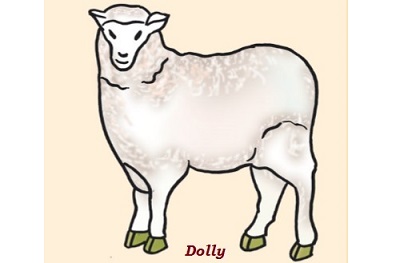
- For the first time, cloning of an animal was successfully performed by Ian Wilmut and his colleagues at the Roslin Institute in Edinburgh, Scotland.
- In 1996, they cloned successfully a sheep and named that Dolly.
Reproduction in Animals