Bacterial and E. coli RNA polymerases are the best characterized RNA polymerases. There are about 13,000 RNA polymerase molecules present in an E. coli cell and the number varies with the growth conditions. Although not all the RNA polymerases are actually engaged in transcription at any one time, almost all are bound either specifically or non-specifically to DNA. The complete enzyme or holoenzyme in E. coli has a molecular weight of approximately 460 kD. The ‘holoenzyme’ (α2 β β′ ω σ) can be separated into two components—the ‘core enzyme’ (α2 β β′ ω) and the sigma factor (σ)—which is specifically concerned with promoter recognition (Figure 4.5). The β- and β′-subunits together account for RNA catalysis and make up most of the enzyme by mass. They together form the enzyme’s active centre, the main channel—through which the DNA passes during the transcription cycle, the secondary channel—through which the substrate ribonucleotides enter the enzyme on their path to the active site—and the exit channel—through which the nascent RNA leaves the enzyme. The α-subunits form a dimer that serves as scaffold for the assembly of the core enzyme. The C-terminal domain (CTD) of the α-subunits also contact promoter DNA directly and there by contributes to promoter recognition. The α- and σ-subunits are the major regions on the RNA polymerase that interacts with a host of factors that regulate transcription initiation. The ω-subunit also plays a role in enzyme assembly and also plays a role in certain regulatory function.
Figure 4.4 RNA polymerase catalyzed Ribo nucleotides polymerization
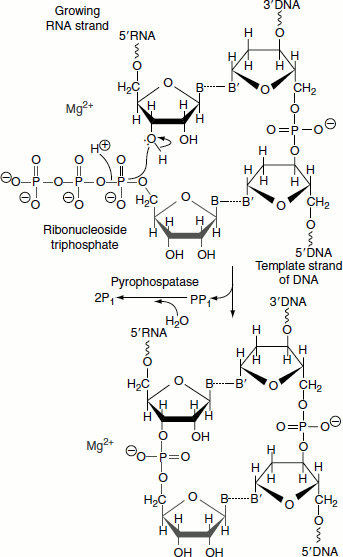
Table 4.1 summarizes the subunits of E. coli RNA polymerase and their function.
Figure 4.5 (a) Prokaryotic RNA polymerase subunits (b) Prokaryotic RNA polymerase core and holoenzyme
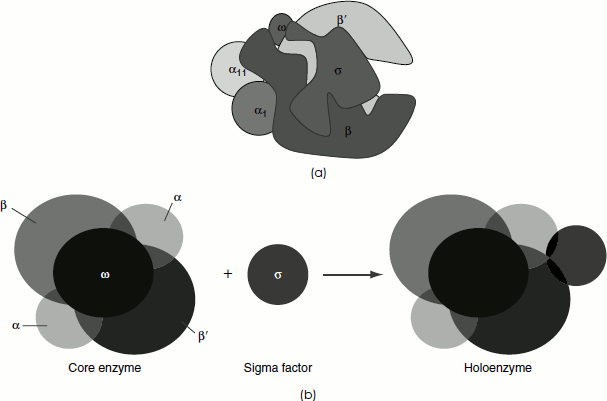
Table 4.1 The subunits of prokayotic RNA, polymerase and their function
| Subunit | Gene | Function |
|---|---|---|
| alpha (α) | rpoA | Required for the assembly of the enzyme; interacts with some regulatory proteins; also involved in catalysis. |
| beta (β) | rpoB | Involved in catalysis: chain initiation and chain elongation. |
| beta (β′) | rpoC | Binds to the DNA template. |
| sigma (σ) | rpoD | Directs enzyme to the promoter. |
| omega (ω) | rpoZ | Required to restore the denatured RNA polymerase in vitro to its fully functional form. |