Introduction
- Mineral is a chemical element essentially required as nutrient for the proper functioning of the body and healthy life.
- Minerals cannot be made by living organisms, rather it occurs in the Earth naturally.
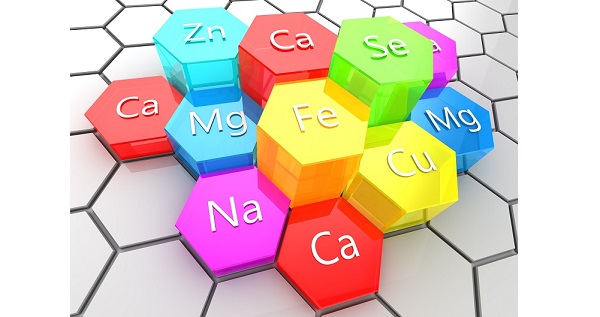
- Most of the minerals that required for the proper function of a human life come from green plants, animals, and from drinking water.
- Calcium, phosphorus, potassium, sodium, and magnesium are the five major minerals in the human body.
- Minerals are present in the blood of a healthy human being at certain mass.
Major Minerals
- The following table illustrates the list of major minerals along with their salient features −
| Minerals | Deficiency disease | Sources |
|---|---|---|
| Potassium | Hypokalemia | Sweet potato, potato, tomato, lentils, banana, carrot, orange, etc. |
| Chlorine | Hypochloremia | Table salt |
| Sodium | Hyponatremia | Table salt, sea vegetable, milk, etc. |
| Calcium | Hypocalcaemia | Eggs, canned fish, dairy products, nuts, etc. |
| Phosphorus | Hypophosphatemia | Red meat, fish, bread, dairy products, rice, oats, etc. |
| Magnesium | Hypomagnesemia | Legumes, nuts, seeds, spinach, peanut butter, etc. |
| Iron | Anaemia | Meat, seafood, beans, nuts, etc. |
| Zinc | Hair loss, diarrhea | Red meat, nuts, dairy products, etc. |
| Manganese | Osteoporosis | Grains, nuts, leafy vegetables, legumes, seeds, tea, coffee |
| Copper | Copper deficiency | Seafood, oysters, nuts, seeds |
| Iodine | Goitre | Grains, eggs, iodized salt |
| Chromium | Chromium deficiency | Broccoli, grape juice, meat, etc. |
| Molybdenum | Molybdenum deficiency | Legumes, whole grains, nuts |
| Selenium | Selenium deficiency | Brazil nuts, meat, seafoods, grains, dairy products, etc. |
Minerals