Introduction
- Health means a state of mental, physical, and social well-being.
- The health of an organism largely depends on his/her surroundings or the environment.

- Major causes of poor health are – the garbage, which is thrown in an open area nearby residence or streets, or/and the open drain water lying stagnant around the residence area.
- The public cleanliness is the key of good health.
- Some diseases, last only for a short period of time, are known as acute diseases. E.g. cold, fever, etc.
- The diseases that last for a long period of time, even as much as a lifetime, are known as chronic diseases. E.g. asthma, osteoporosis, etc.
- Chronic diseases, normally, have very severe long-term effects on people’s health as compared to the acute diseases.
Infectious Diseases
- When microbes are the immediate causes of a disease, it is known as infectious diseases.
- Some of the major agents of infectious diseases are viruses, bacteria, fungi, and some single-celled animals (protozoans).
- Some diseases are caused by the multicellular organisms; such as worms.
- Kala-azar or black fever is caused by a protozoan parasite of genus Leishmania (shown in the image given below).

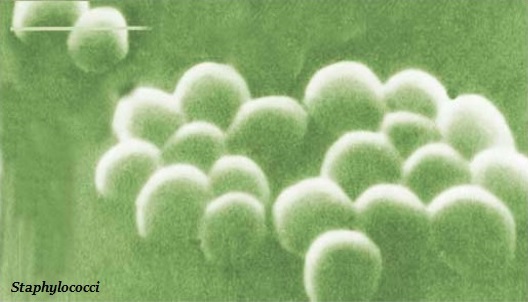
- Acne is caused by staphylococci bacteria (shown in the image given below).
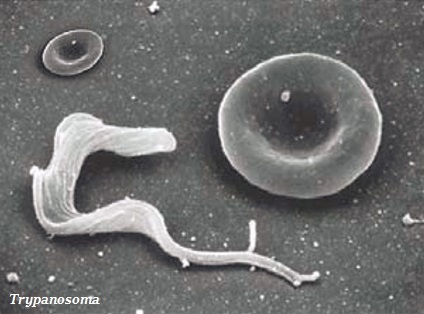
- Sleeping sickness is caused by protozoan organism namely Trypanosoma (shown in the image given below).
Explore our latest online courses and learn new skills at your own pace. Enroll and become a certified expert to boost your career.
Means of Spread
- Most of the microbial agents can commonly move from an affected person to other in number of ways.
- The microbial agents are ‘communicated,’ therefore, also known as communicable diseases.
Airborne Diseases
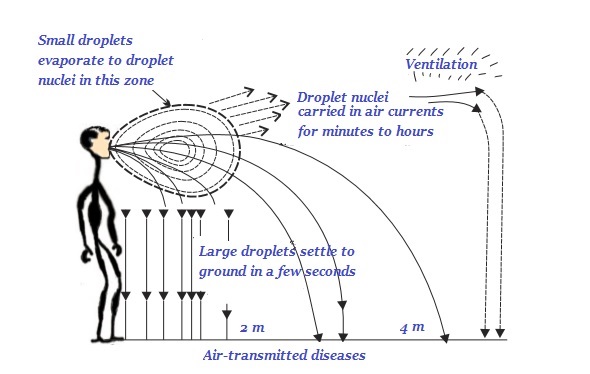
- Some of the microbes can spread through the air; example of such airborne diseases are common cold, pneumonia, and tuberculosis.
Waterborne Diseases
- Some diseases can also be spread through water, known as waterborne diseases. E.g. cholera etc.
Vector-borne Infections
- Some diseases are transmitted by different animals including human beings; in fact, these animals carry the infecting agents. Therefore, such animals are intermediaries and known as ‘vectors’.
- Mosquitoes are the most common vectors.
Prevention
- Infectious diseases can be prevented by means of public health hygiene measures.
- Infectious diseases can be prevented through proper immunization (in advance).
Why do We Fall Ill