Introduction
The organisms of this kingdom have a true vertebral column and the internal skeleton structure.
Classification of Vertebrata
- Vertebrates are further classified as −
- Pisces
- Amphibia
- Reptilia
- Aves
- Mammalia
- Let’s discuss each of them in brief −
Pisces
- The organisms of this group are typically different types of fishes.
- Fishes can live only in water.
- The skin fish is covered with scales/plates.
- Fish use oxygen dissolved in water by using gills
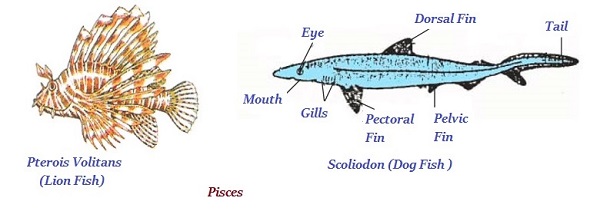
- The tail of fish helps in their movements.
- Fishes are cold-blooded organisms and their hearts have only two chambers.
- Fishes lay eggs.
Amphibia
- The organisms of amphibia have mucus glands in the skin, and they have three-chambered heart.
- Amphibian can live in water as well as on land.
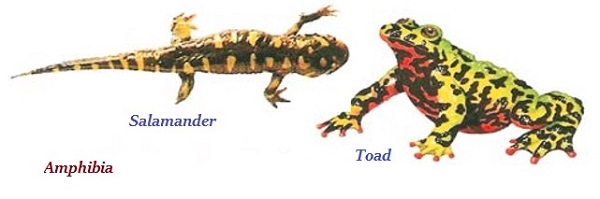
- The organisms of amphibian respire through either gills or lungs.
- The organisms of amphibia lay eggs.
Reptilia
- The organisms of this group are cold bolded.
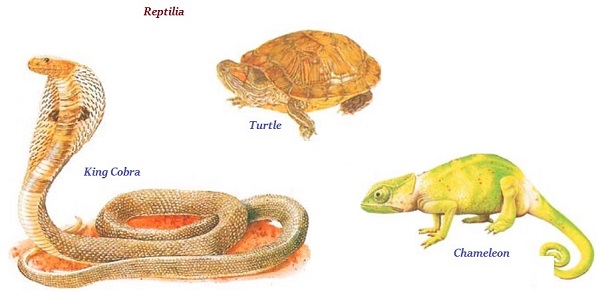
- The organisms of reptilia lay eggs with tough coverings.
Aves
- The organisms of Aves group are warm-blooded.
- The organisms of Aves group lay eggs except a few, such as bat.
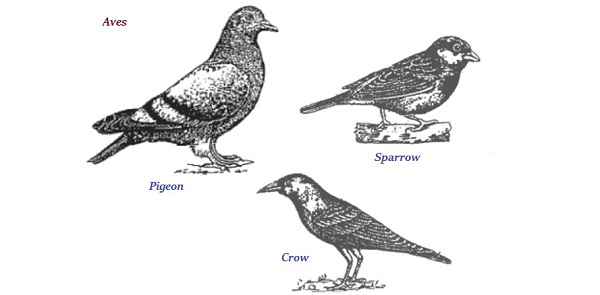
- Most of the Aves have feathers.
Mammalia
- The organisms of Mammalia group are warm-blooded and they have four-chambered hearts.
- Mammalia are typically characterized for their mammary glands.
- Mammary glands produce milk to nourish the young one.
- Most of the mammals produce live baby; however, a few of mammals, such as, the platypus and the echidna lay eggs.
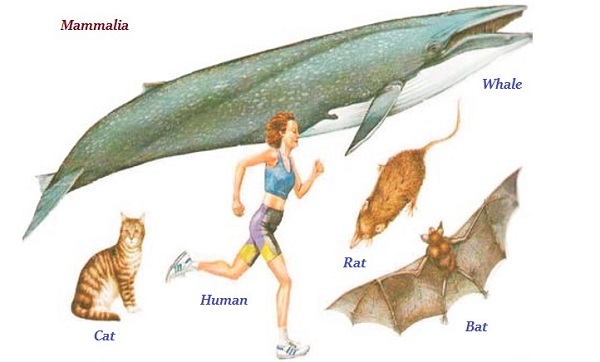
- Mammals’ skin has hairs along with sweat and oil glands.
Vertebrata